Creating an Opera Aesthetic Living Room: A Guide to Dramatic Home Decor
Transform your living room with the opera aesthetic: burgundy velvet, brass chandeliers, ornate mirrors, and theatrical drapes. Shop 15 pieces under $1,200.
LIVING ROOM
Moody Home Co
3/12/202615 min read
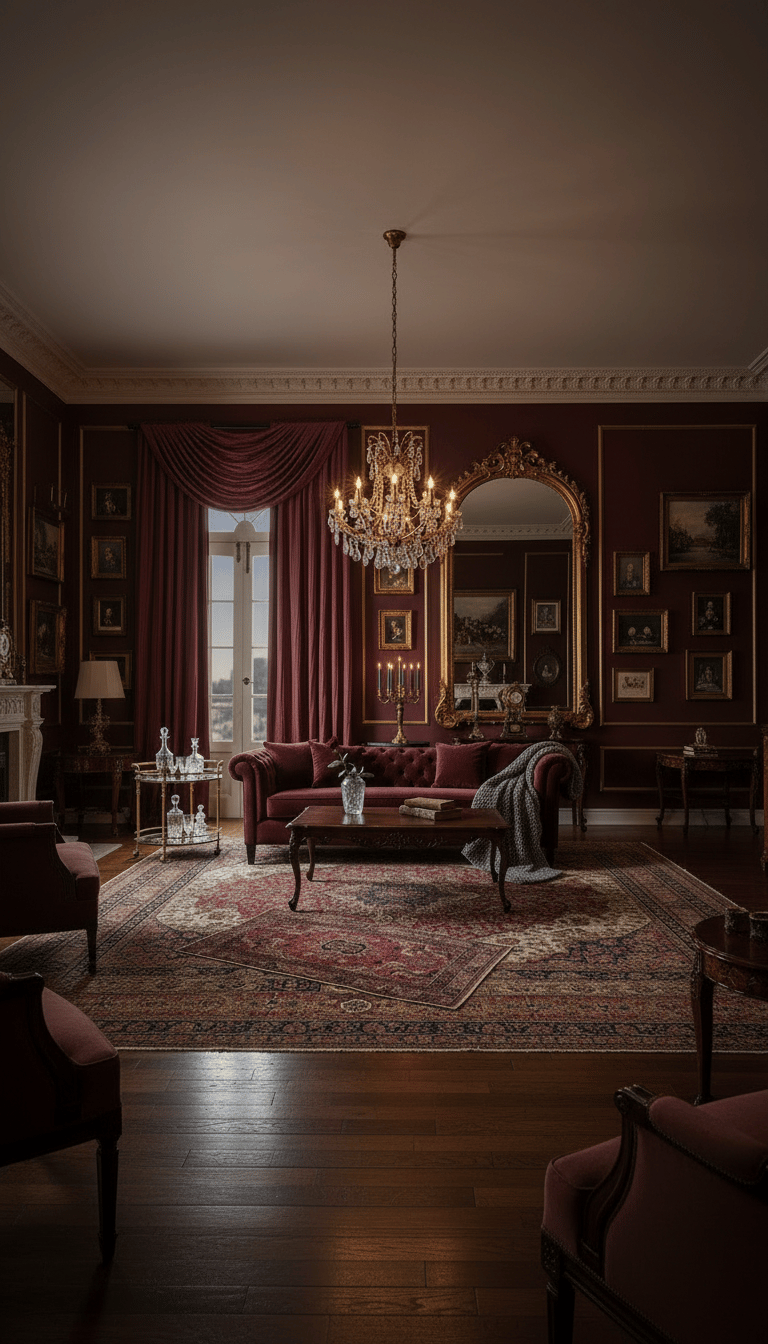
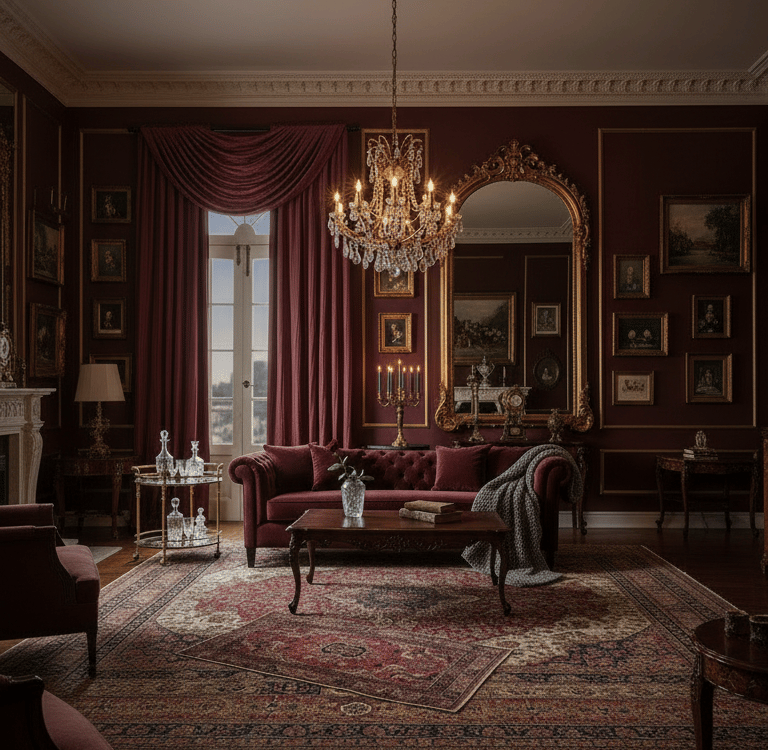
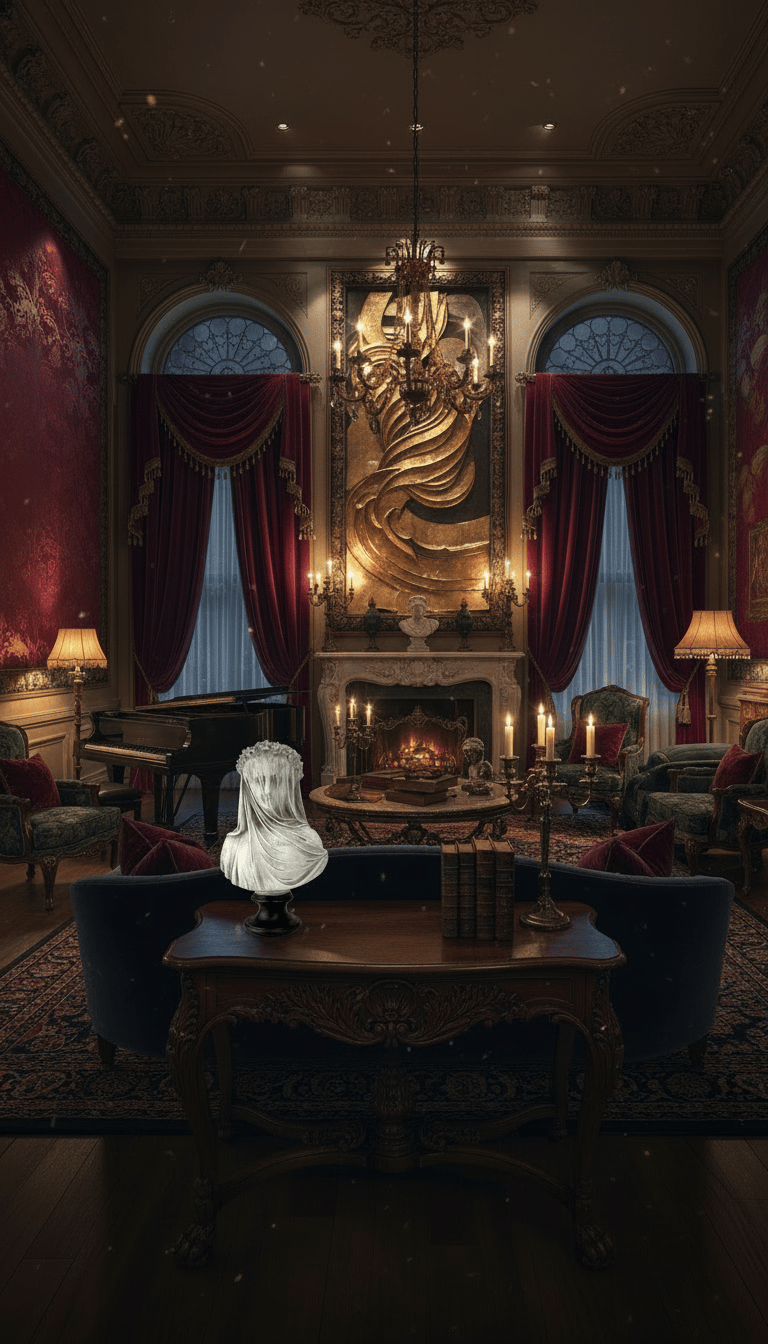
Introduction to the Opera Aesthetic Living Room
*This post contains affiliate links, which means I may earn a commission if you make a purchase through these links at no additional cost to you. I only recommend products that fit the opera aesthetic style.
If you've been scrolling Pinterest living room inspiration lately, you've noticed the opera aesthetic quietly taking over feeds. Deep burgundy velvet, gleaming brass chandeliers, floor-to-ceiling drapes, ornate mirrors — it's a look that feels simultaneously theatrical and deeply livable. Pinterest searches for "opera aesthetic" and related terms like "dramatic living room," "velvet sofa aesthetic," and "dark luxury living room" have surged significantly heading into 2026.
The opera aesthetic living room draws from the grand tradition of 19th-century opera houses — the plush seating, the gilded balconies, the heavy curtains, the warm glow of candlelight against dark walls. But this isn't a costume or a museum recreation. It's a modern approach to living spaces that prioritizes emotional atmosphere over minimalist restraint.
Here's what most design blogs miss: the opera aesthetic is one of the most livable of all the dark luxury aesthetics. The deep jewel tones actually make smaller rooms feel more intimate rather than smaller. The layered textiles create genuine warmth and comfort. And the theatrical drama makes everyday moments — a morning coffee, an evening with wine and books — feel like scenes worth inhabiting.
I've curated 15 products that build a true opera aesthetic living room with your existing affiliate links intact. Every product earns its place — both aesthetically and in terms of genuine daily use.
What Is the Opera Aesthetic?
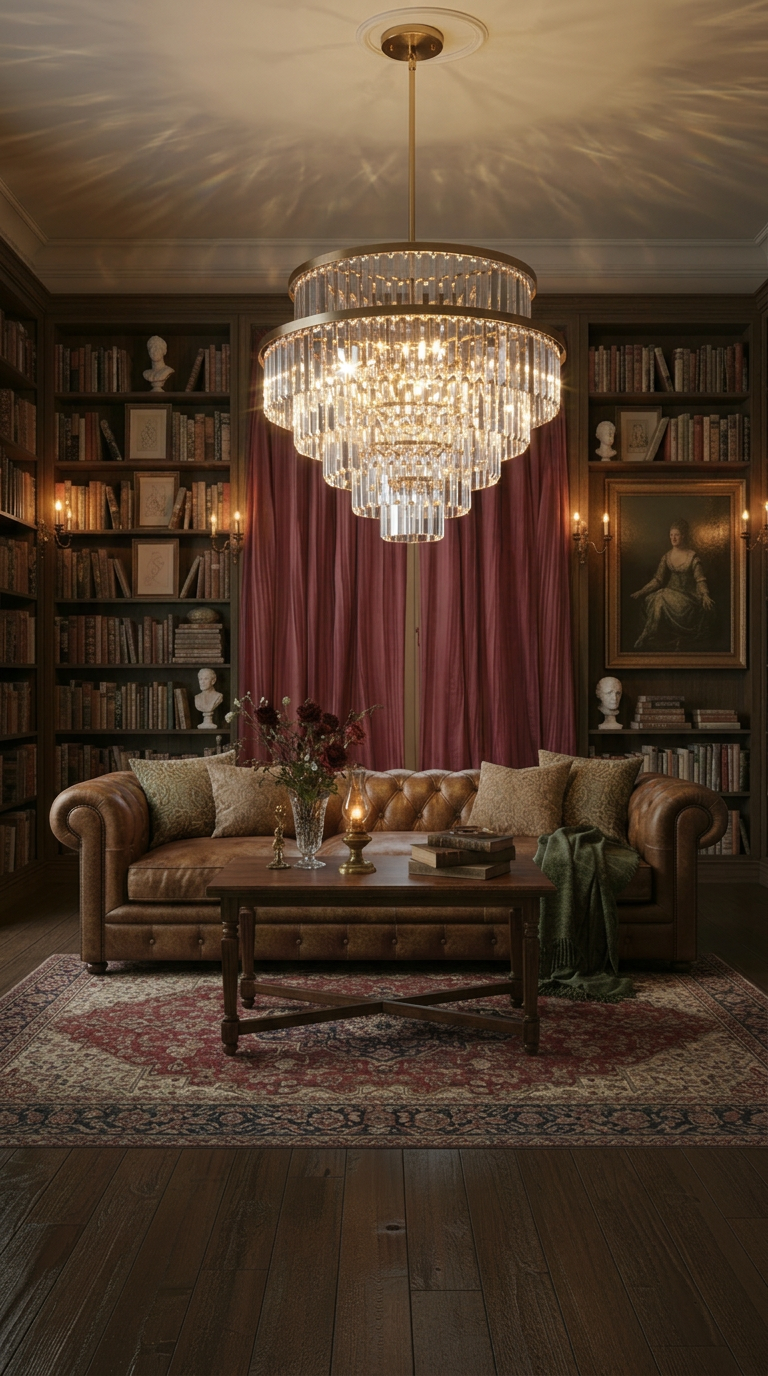
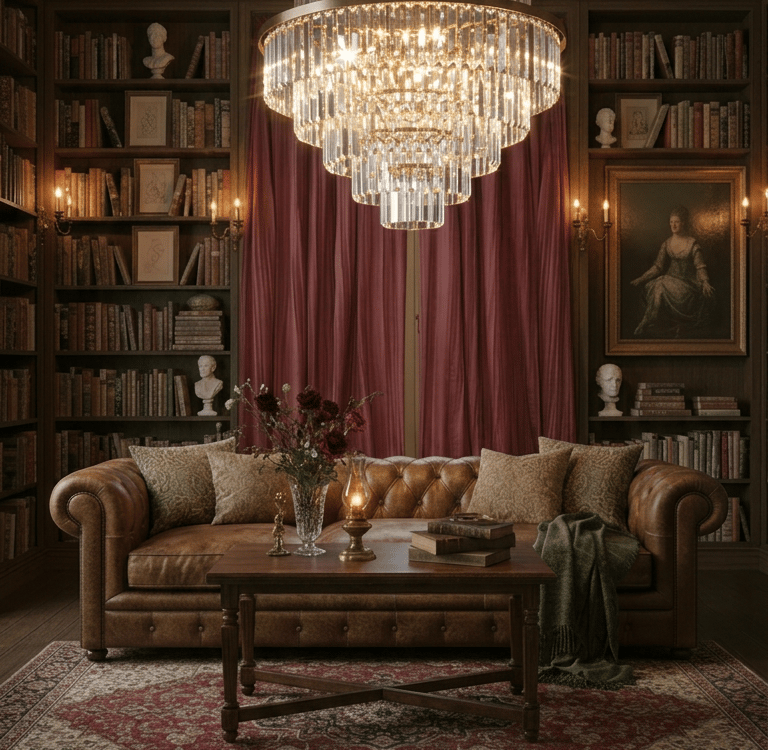
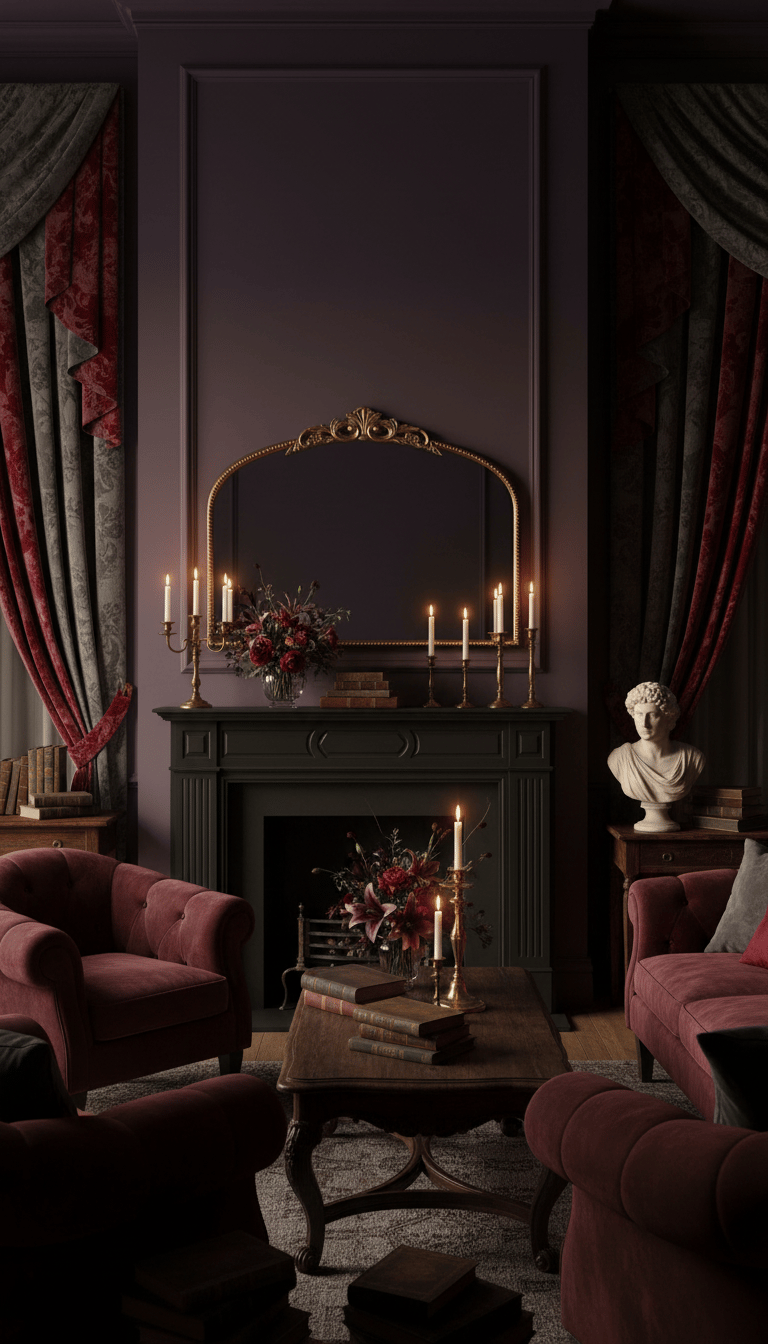
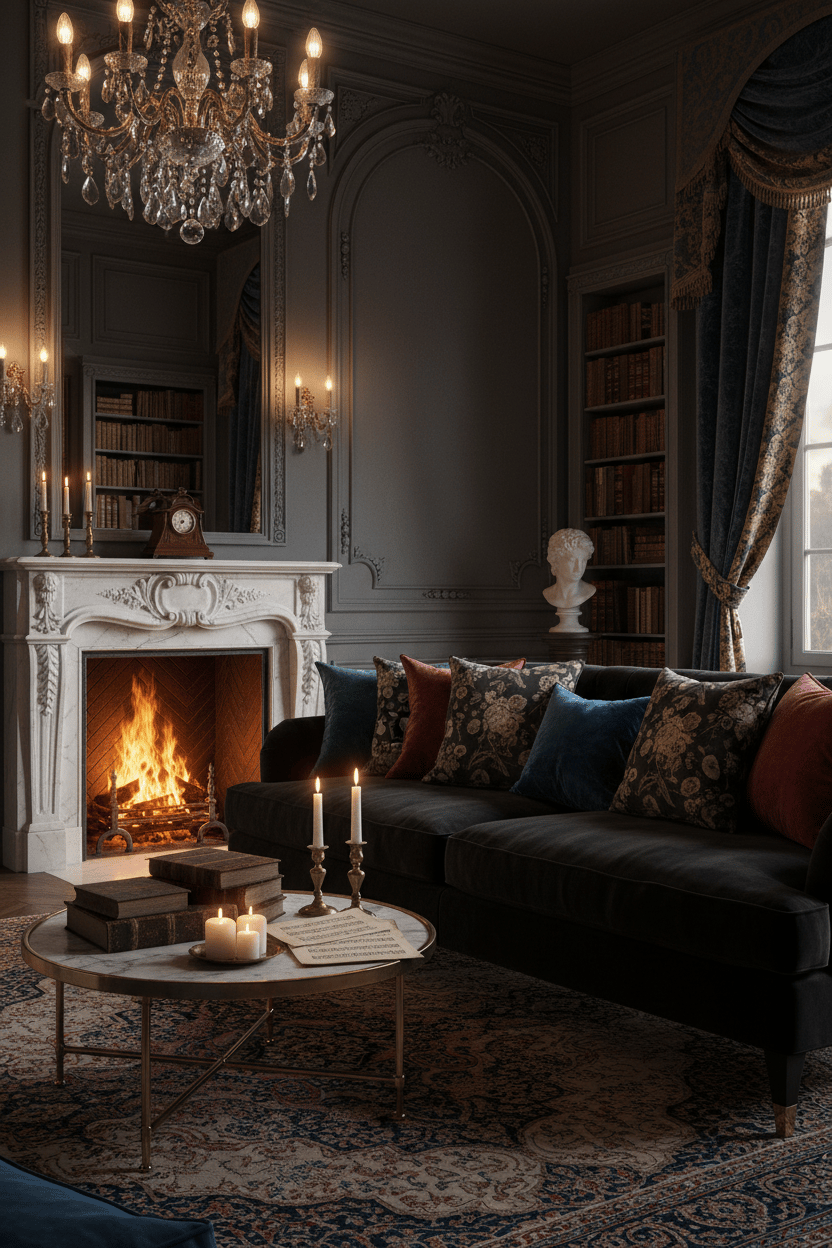
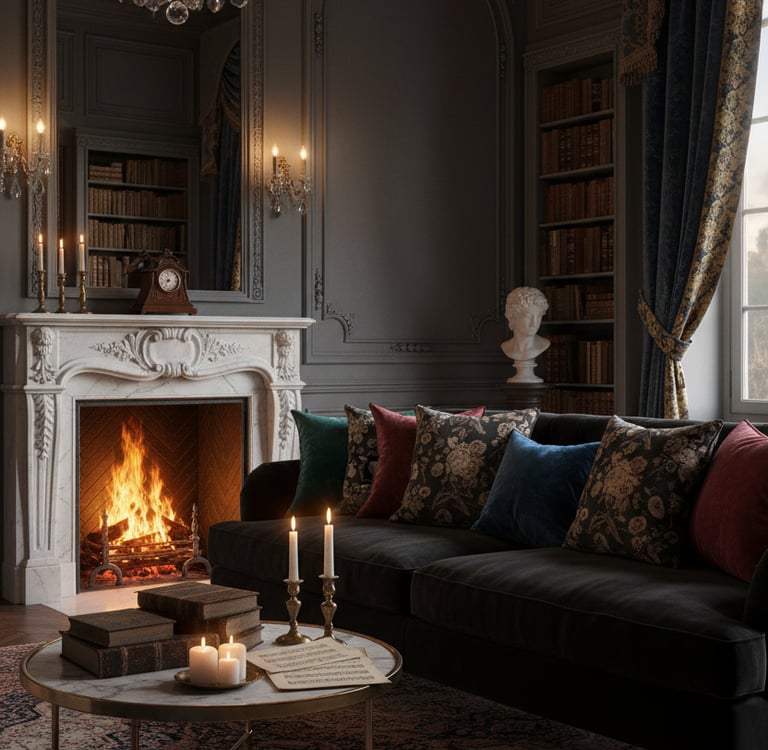
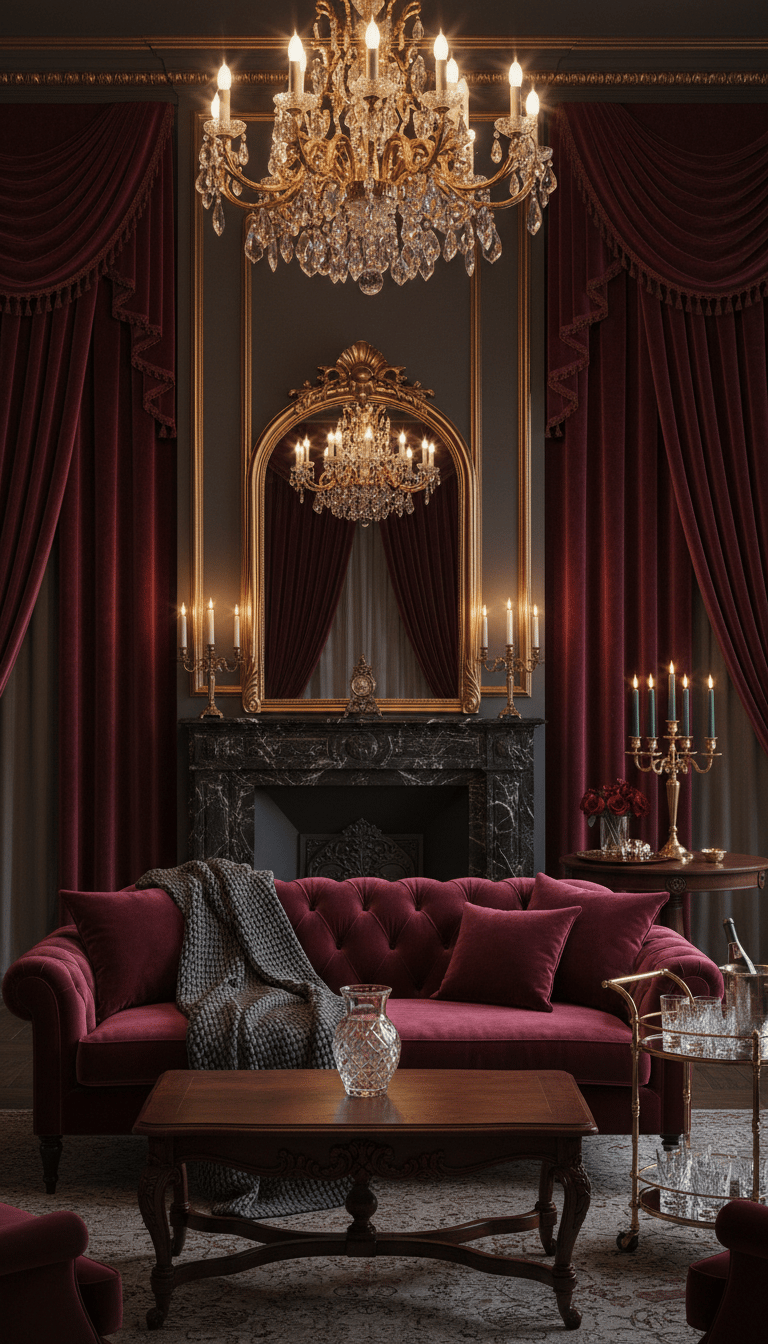
The opera aesthetic is an interior design style inspired by the grandeur of 19th-century European opera houses — spaces built to inspire awe, romance, and heightened emotion. In a living room, it translates to rich jewel tones, plush velvet seating, brass and gilded accents, dramatic window treatments, and layered candlelight that creates atmosphere rather than mere illumination.
Core elements that define an opera aesthetic living room:
Jewel tone walls and upholstery — Deep jewel tones as the dominant palette: burgundy, midnight navy, forest green, plum, near-black
Velvet everywhere — Velvet as the primary fabric: sofas, armchairs, throw pillows, curtains
Brass and gilded accents — Brass and gold metal: chandeliers, mirrors, candlestick holders, picture frames
Theatrical window treatments — Floor-to-ceiling curtains that pool on the ground: silk or velvet in rich colors
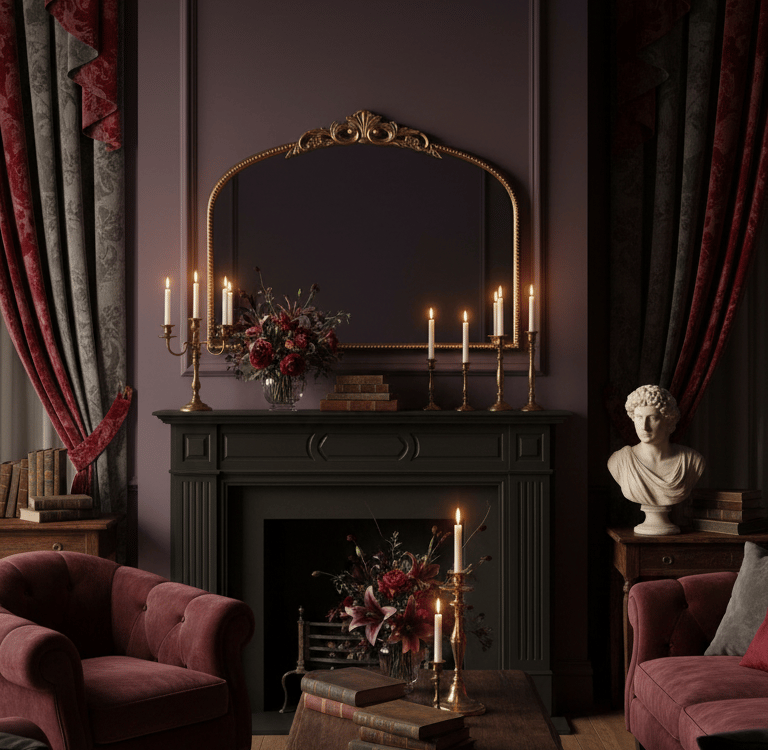
Statement mirrors — Ornate mirrors and baroque-style frames: creates visual grandeur and reflects candlelight
Multi-source warm lighting — Layered candlelight: chandeliers overhead, sconces on walls, candelabras on tables
Curated artwork — Classical or operatic art: portraits, busts, framed scenes that evoke artistic tradition
The opera aesthetic differs from general dark decor because every element has theatrical intentionality. It's not just dark — it's dramatically, deliberately dark, the way a stage set communicates emotion the moment the curtain rises.
The Complete Opera Aesthetic Living Room: 15 Products
1. Velvet Armchairs — The Seated Statement
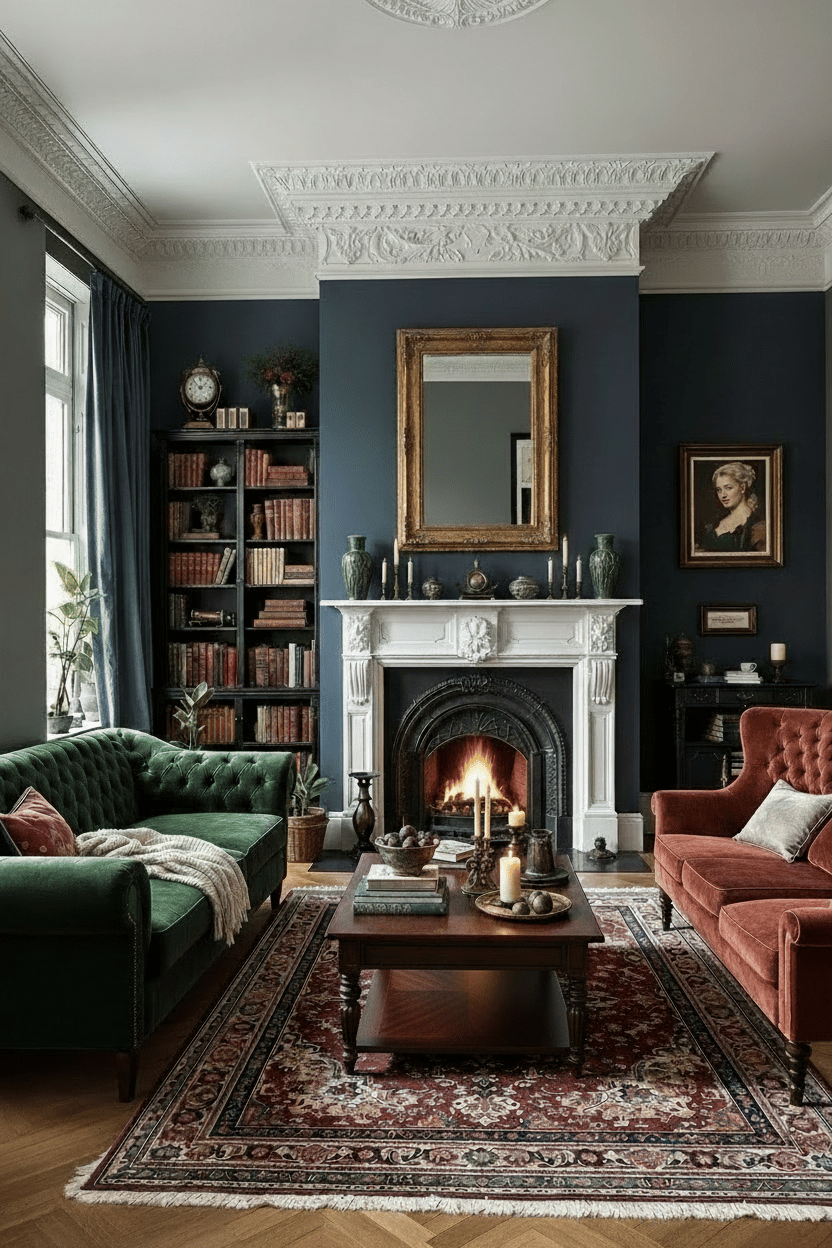
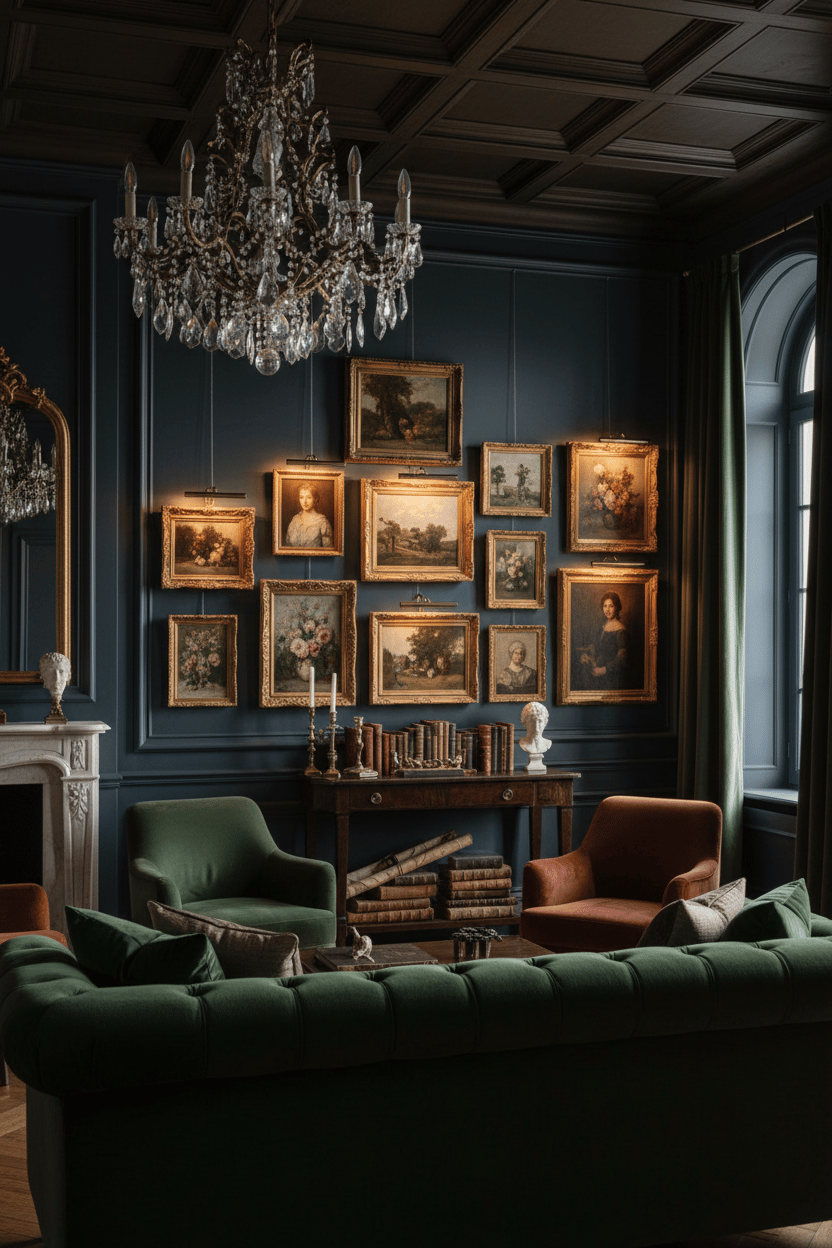
The velvet armchair is the opera aesthetic's signature piece. In deep jewel tones — burgundy, forest green, midnight navy — a well-chosen velvet armchair reads as both throne and invitation. Look for high-backed shapes with sculptural profiles: wings that frame you as you sit, carved wooden legs in walnut or dark stain, proportions that feel substantial rather than casual.
Styling this piece: Position your velvet armchair as a solo focal point angled slightly toward your sofa rather than parallel to it. Place a brass floor lamp beside it and a small side table with a candelabra or stacked books. This creates what interior designers call a "reading alcove" — a destination within the room that pulls guests toward it.
Why it earns its place: The velvet armchair does more work than almost any other piece in this aesthetic. It's where the room's color story lives, where the texture palette leads, and where you'll actually spend time reading, thinking, and being in the space.
2. Brass Chandelier — The Room's Crown
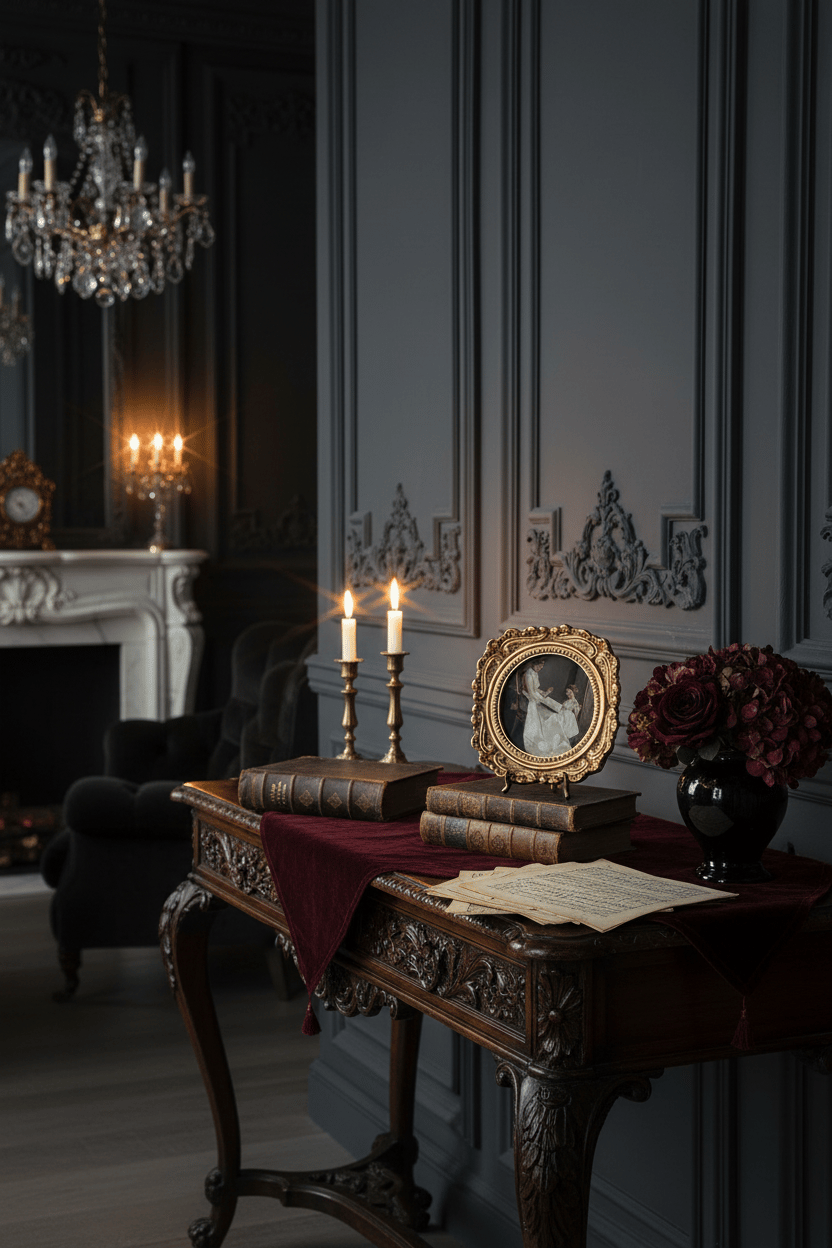
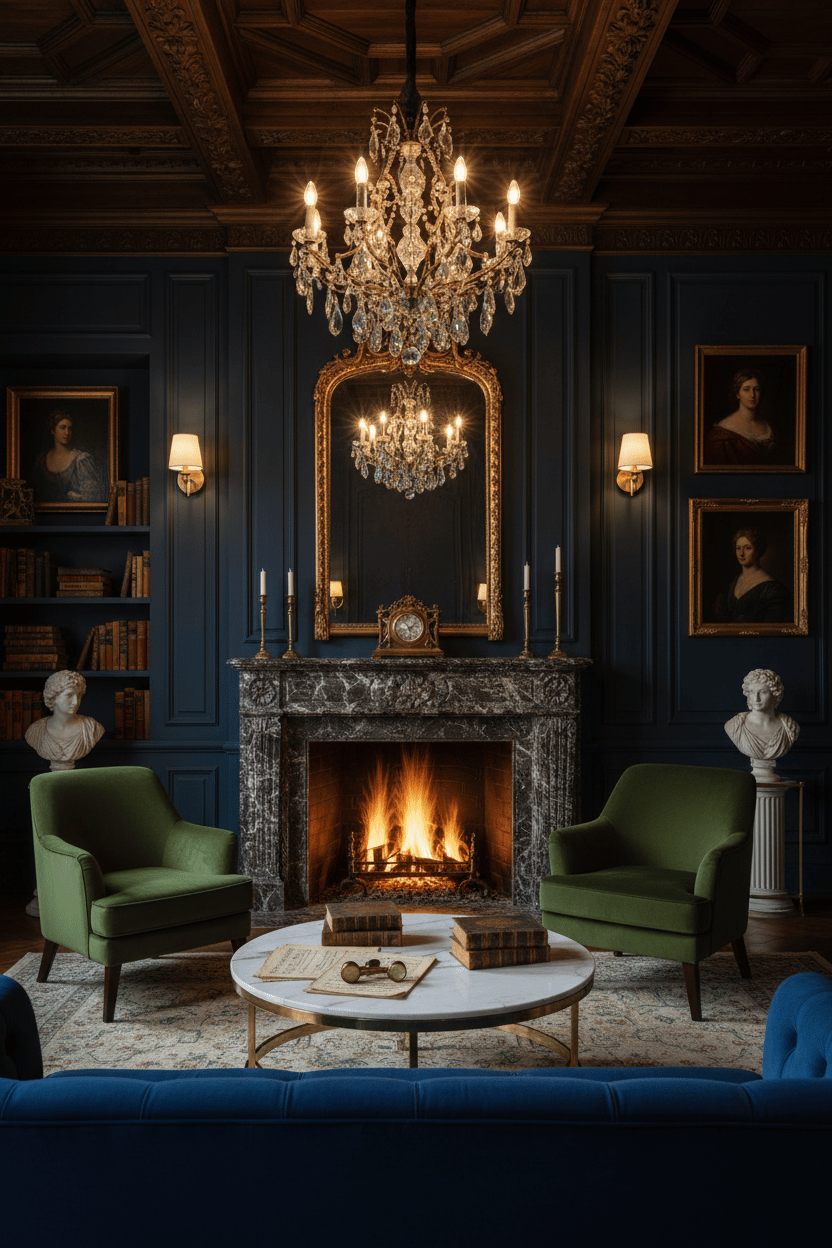
No single piece defines an opera aesthetic living room more than a brass chandelier. In opera houses, the chandelier is the room's heartbeat — the warm glow that orients every eye upward and signals that this space is meant for something more than ordinary evenings. A well-chosen brass chandelier does exactly the same in a living room.
What to look for: Crystal embellishments or intricate wrought-iron arms in antique brass (not shiny modern gold). The warm metal reflects candlelight and Edison bulbs beautifully, casting the amber glow that makes opera aesthetic rooms feel alive rather than merely decorated.
Installation tip: Hang your chandelier lower than you might expect — ideally 7 feet from floor to the bottom of the fixture in a room with 9-foot ceilings. Lower installation creates more intimate drama. Always pair with a dimmer switch. A chandelier at full brightness reads as an office. The same chandelier at 30% reads as a theater.
The Mavely link routes you to vetted options that match the aesthetic perfectly — look for warm brass finish, not chrome or nickel.
3. Silk Drapes — Theatrical Window Framing
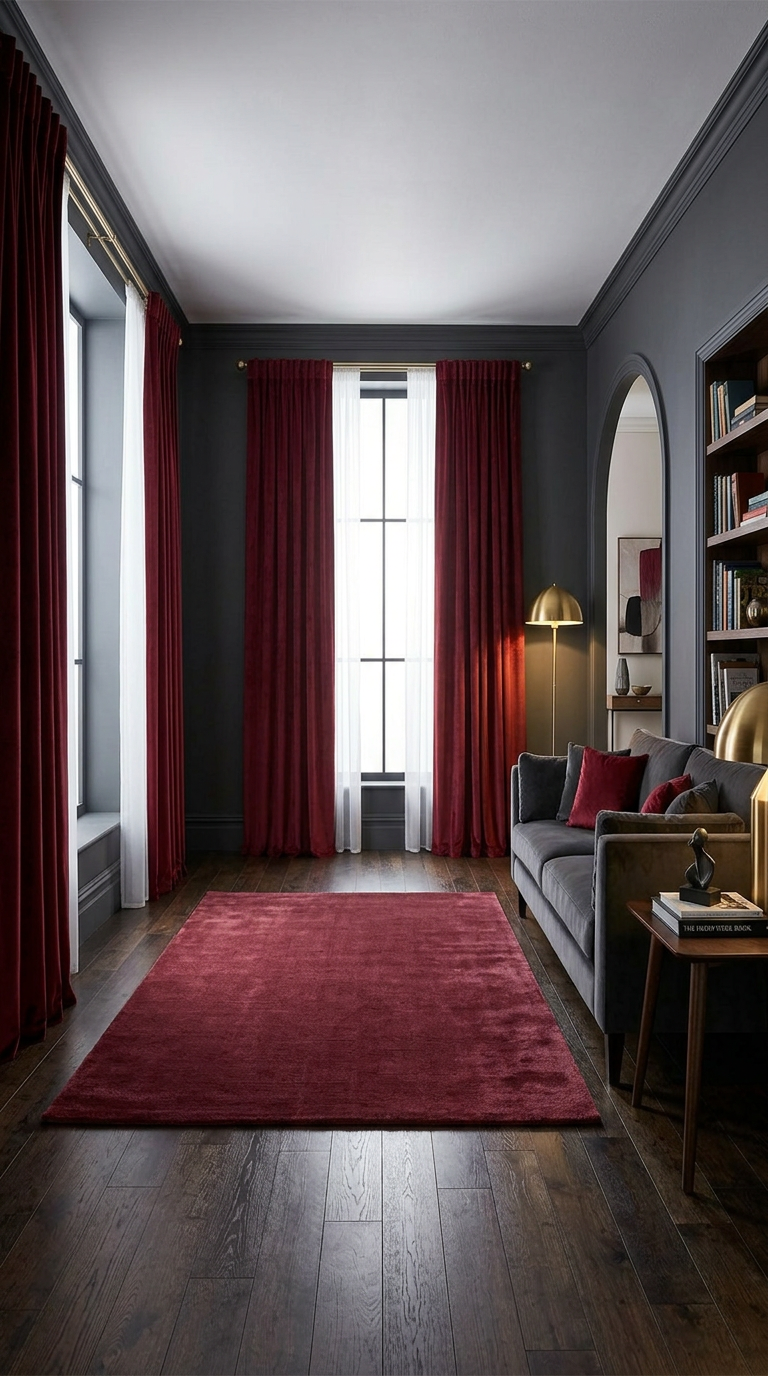
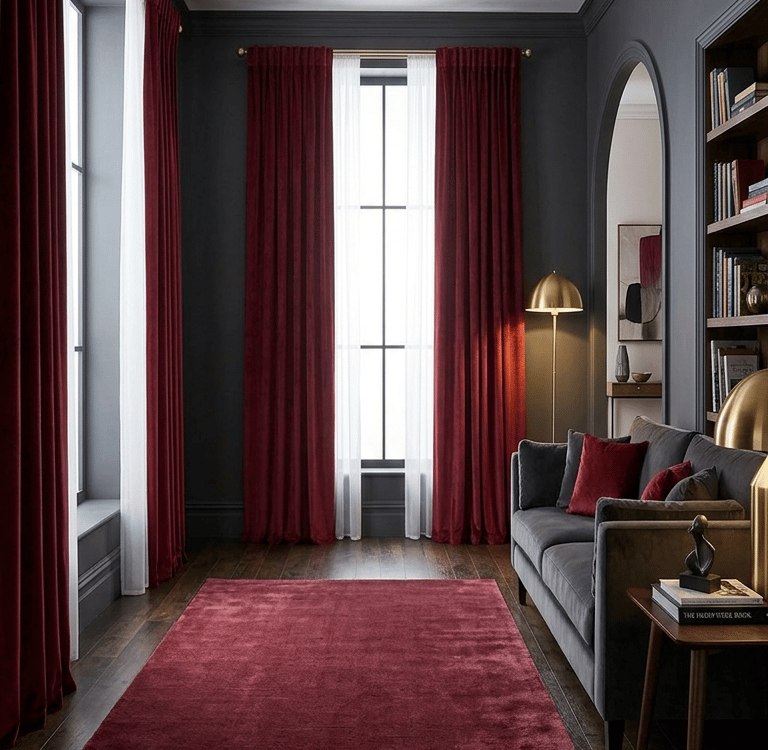
Opera aesthetic curtains aren't window coverings — they're architectural statements. Floor-to-ceiling silk drapes in deep jewel tones (burgundy, midnight navy, forest green) transform even ordinary windows into something theatrical. The key detail that separates amateur opera aesthetic from genuine drama: allow your drapes to pool slightly on the floor (1-3 inches of fabric touching the ground). This creates the same visual effect as stage curtains — deliberate, generous, unafraid of excess.
Installation rule: Mount your curtain rod as close to the ceiling as possible, not at standard 2 inches above the window frame. Ceiling-height installation makes any window appear taller and creates the proportions that make opera aesthetic living rooms feel grand regardless of actual ceiling height.
Layering approach: For maximum drama, layer these silk drapes over a sheer lining. During the day, the sheer filters light through rich color. At night, close the silk drapes fully for complete theatrical effect. This is exactly how opera houses handle their box seating curtains — layered for both visual drama and practical light control.
4. Baroque Mirror — Grandeur on the Wall
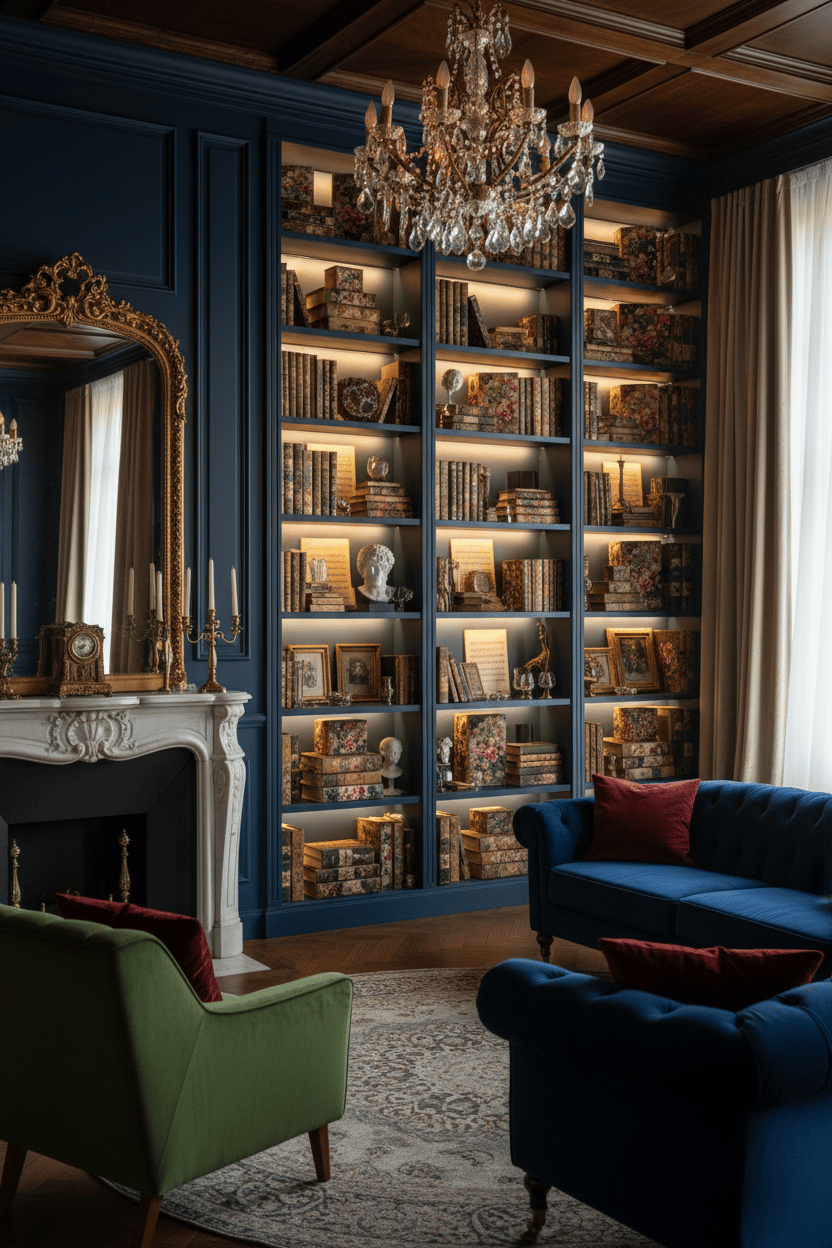
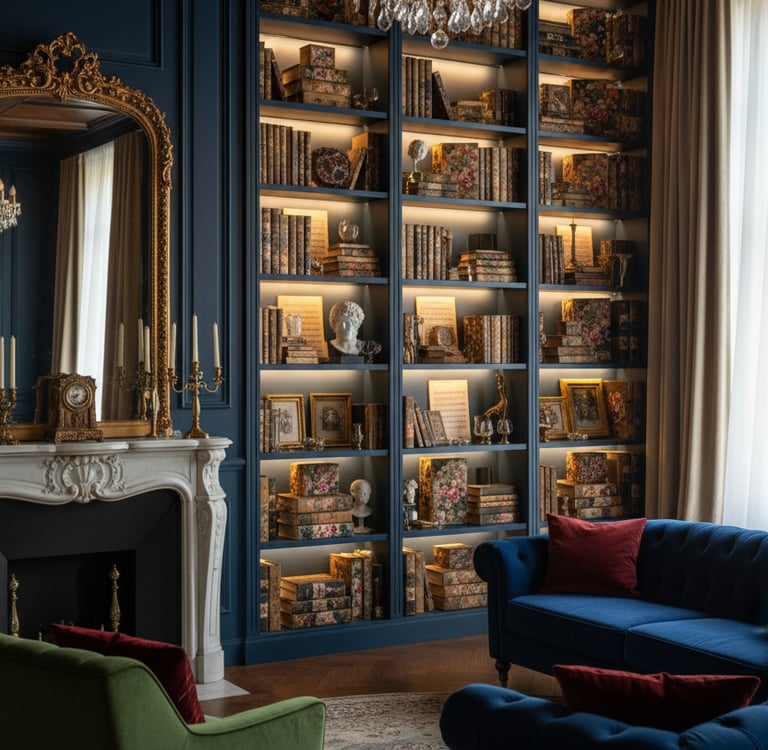
Baroque mirrors aren't decorative afterthoughts in the opera aesthetic — they're load-bearing elements of the visual composition. An ornate mirror with an elaborate gilded or dark frame serves multiple functions: it reflects candlelight across the room (doubling your warm lighting effect), creates visual depth (making the room appear larger), and provides the kind of intricate detailing that makes a space feel genuinely curated rather than assembled.
Where to position it: Above your fireplace or main sofa is the classic choice, but consider placing a large baroque mirror above a console table flanked by matching brass candlestick holders. This creates a "vignette" — a composed scene within the larger room — that feels like a stage set in the best possible way.
Size matters: In opera aesthetic rooms, go larger than your instinct suggests. A mirror that feels "a bit big" in the store is usually exactly right on the wall. Proportions that would feel overwhelming in a minimal Scandinavian room feel appropriately grand in an opera aesthetic space.
5. Gilded Picture Frame — Making Art Operatic
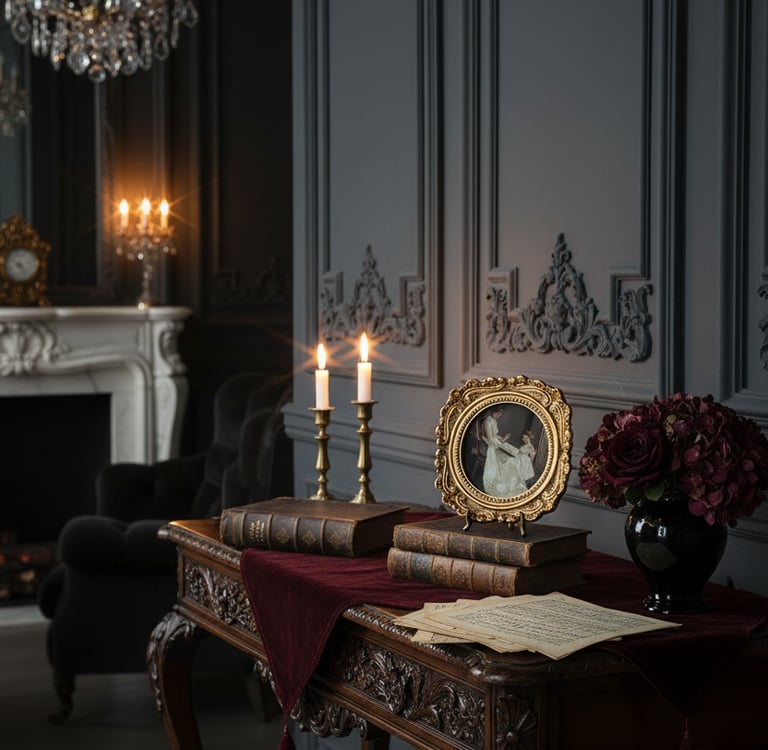
The opera aesthetic isn't just about the furniture and textiles — the walls tell the story. A gilded picture frame transforms any artwork into something that feels museum-worthy and theatrically significant. In opera houses, the architecture frames the performance; in your living room, gilded frames frame your personal art collection (or curated prints) with the same sense of occasion.
What to put in them: You don't need expensive original artwork. Dark botanical prints, classical portrait reproductions, operatic scene illustrations, or even abstract artwork in deep tones all become gallery-worthy with the right frame. The frame signals importance; the content becomes elevated by association.
Gallery wall approach: Group 3-5 gilded frames in varied sizes for a salon-style wall arrangement. Mix portrait and landscape orientations. The eclectic collection approach references how opera houses traditionally displayed their patrons — an accumulation of significance rather than a matched set.
6. Veiled Maiden Sculpture — The Artistic Statement
The veiled maiden sculpture is the opera aesthetic's most distinctive statement piece. The technical mastery of showing a veil in solid material — rendering translucent fabric in stone or resin — is one of art history's great achievements, and it resonates perfectly with the opera aesthetic's fascination with drama, concealment, and revealed beauty. More practically: it photographs beautifully, starts conversations, and gives your space genuine artistic credibility.
Positioning: Place this sculpture somewhere it will be encountered unexpectedly — on a bookshelf at eye level, on a console table as you enter the room, or on a mantle flanked by candlesticks. The veiled maiden rewards close attention. Give it enough space to be contemplated rather than crowding it with other objects.
Why sculpture matters: Two-dimensional art (prints, paintings) covers walls. Sculpture occupies space and creates presence. In opera aesthetic rooms, a sculptural focal point provides the three-dimensional drama that flat surfaces can't achieve.
7. Luxe Throw Blanket — Touchable Drama
Opera aesthetic living rooms must be lived in, not just looked at. A luxurious throw blanket draped over your velvet armchair or the arm of your sofa signals that this beautiful space is also genuinely comfortable — that the drama and the coziness coexist, which is exactly the balance the opera aesthetic achieves at its best.
How to drape it: Don't fold it neatly (that reads as a showroom, not a sanctuary). Instead, drape it casually over the arm of your sofa or armchair with one corner falling toward the floor. This creates the relaxed-but-deliberate look that distinguishes curated spaces from staged ones.
Texture layering: In a room with velvet upholstery and silk curtains, a chenille or faux-fur throw adds a third distinct texture. The contrast between velvet (mid-pile, light-absorbing), silk (smooth, luminous), and chenille or fur (long-pile, tactile) creates the sensory richness that makes opera aesthetic rooms so compelling to actually be in.
8. Statement Coffee Table — The Room's Anchor
In any seating arrangement, the coffee table is the room's anchor — the piece that defines the relationship between sofa and chairs and establishes the space's proportional logic. In an opera aesthetic living room, the coffee table should feel substantial and significant: marble tops, dark wood with ornate carved legs, or brass and glass combinations that reflect the room's warm candlelight.
Sizing rule: Your coffee table should be approximately 2/3 the length of your sofa. A table that's too small for its sofa reads as an afterthought. A well-proportioned table reads as intentional — a stage set piece that earns its place in the composition.
Styling the surface: Don't leave the coffee table bare. Create a considered vignette: a decorative tray holding candle holders, a small sculptural object, and perhaps a beautiful hardcover book. This turns a functional surface into a composed element of the overall room design.
9. Wall Sconces — Layered Atmospheric Lighting
The opera aesthetic's signature lighting philosophy is this: eliminate overhead brightness and replace it with multiple warm sources at different heights. Wall sconces are essential to this system. At eye level or just above, a pair of brass or antique metal sconces creates warm pools of light that make your walls feel alive and your room feel inhabited rather than just illuminated.
Placement strategy: Install sconces flanking your baroque mirror, on either side of a doorway, or above a console table to create a layered lighting effect. The goal is warm light at multiple heights — chandelier above, sconces at mid-height, candles and table lamps at low height — creating the same visual depth that makes opera stage lighting so compelling.
Dimmer switches: Install dimmer switches for your sconces if possible. The difference between opera aesthetic ambiance and ordinary room lighting is almost entirely a matter of dimmer control. Most people light their homes far too brightly for the atmospheric effect they're trying to achieve.
10. Embroidered Cushions — Surface Richness
Throw cushions in the opera aesthetic aren't afterthoughts — they're the finishing detail that elevates velvet upholstery from beautiful to exceptional. Embroidered cushions in silk or velvet with elaborate floral or classical motifs add the kind of surface decoration that rewards close attention and creates the layered visual richness that defines this aesthetic.
Arrangement approach: Group cushions in odd numbers (3 or 5 per sofa end) in complementary colorways. Mix a deep jewel-tone solid velvet cushion with a richly embroidered piece and a smaller trim-detailed cushion. The combination of texture (smooth silk, embroidered texture, velvet pile) and color creates depth that a matched cushion set never achieves.
Investment perspective: Cushions are the most cost-effective way to dramatically upgrade the look of existing furniture. A mid-range sofa in a neutral color becomes opera aesthetic with the right cushion selection. It's a transformation you can achieve in an afternoon.
11. Vintage Book Box — Literary Atmosphere
Opera has always been literary at its core — adaptations of Puccini, Verdi, and Mozart were drawn from great works of literature and poetry. A decorative vintage book box (or a collection of beautiful hardcover books displayed spine-out) signals intellectual seriousness and aesthetic taste simultaneously. It tells the story of the person who lives here.
How to use it: Place a vintage book box on your coffee table as part of your styled vignette, stack it under a sculptural object on a console table, or arrange it on built-in shelving alongside your baroque decorative objects. The patina and history of vintage book design adds warmth and authenticity that new objects can't replicate.
Curating your display: For the opera aesthetic, favor books in dark cloth bindings, gold-stamped titles, and rich jewel-tone covers. Classic literature, art history, opera librettos, and European cultural history all fit the narrative. If you don't own appropriate books, decorative book sets in coordinated colors are available and photograph beautifully.
12. Elegant Area Rug — Grounding the Drama
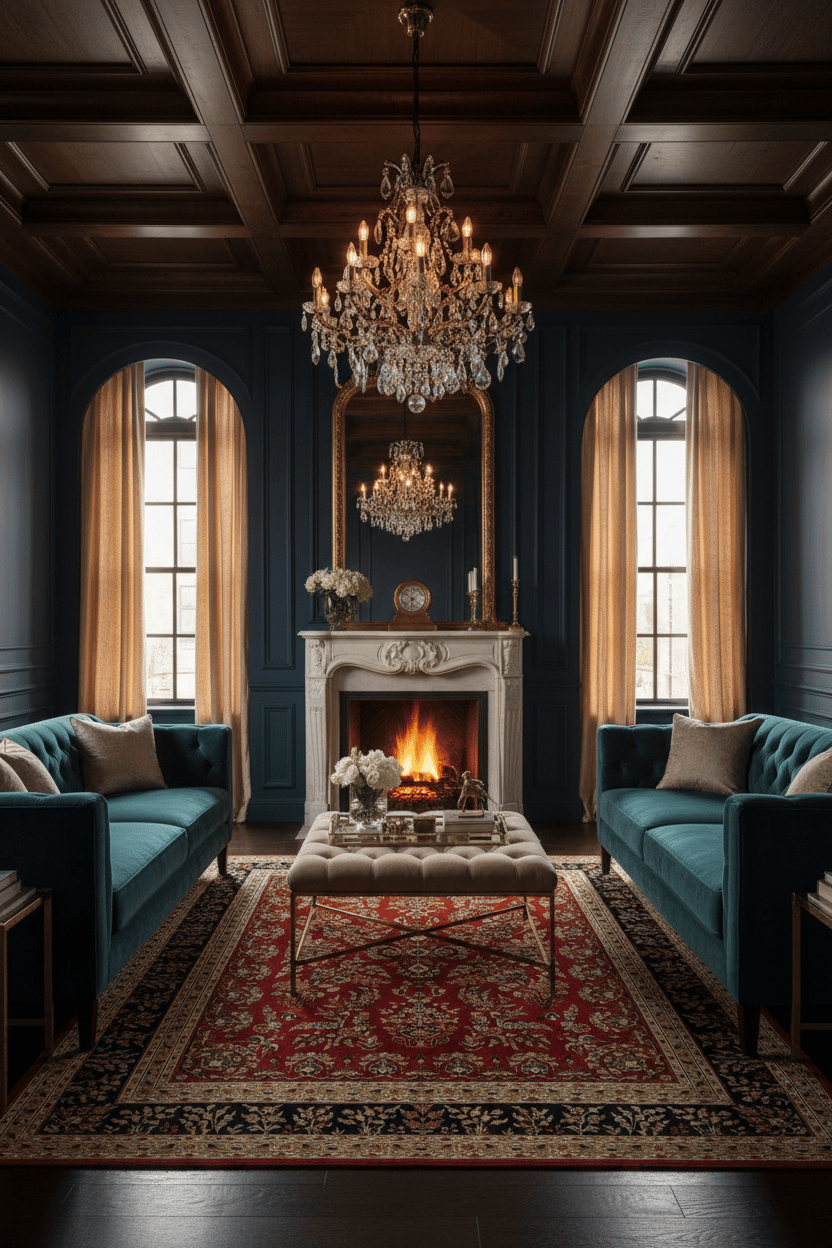
In an opera aesthetic living room, the area rug does crucial work: it defines the seating zone, adds warmth and sound absorption, and provides the room's richest opportunity for pattern. Persian-inspired or ornately patterned rugs in deep jewel tones (burgundy, navy, forest green with gold or ivory accents) are perfect for this aesthetic — they reference the same visual traditions that inspire opera house design.
Sizing is critical: Your rug should be large enough for at least the front legs of every piece of furniture in your seating arrangement to rest on it. Too-small rugs are the most common mistake in living room design, and they make expensive furniture look arbitrarily placed rather than intentionally composed.
Pattern guidance: Floral medallion patterns, scrolling botanical designs, or geometric Persian-style repeats all work within the opera aesthetic. The rug's pattern adds the visual complexity that makes the room feel layered and considered — preventing solid-color walls and solid-color upholstery from reading as flat.
13. Vintage Vase — Sculptural Drama in a Corner
An oversized vintage-style vase in a dark glaze or rich jewel tone does something small objects can't: it occupies floor space and vertical height, commanding attention in corners or alongside your sofa in a way that creates genuine compositional drama. In opera aesthetic rooms, a substantial floor vase anchors a corner with the same presence as a piece of furniture.
What to put in it: For the opera aesthetic, forget bright fresh flowers. Instead, consider dried pampas grass in deep burgundy or black, oversized silk flowers in dark jewel tones, dark branches (eucalyptus, willow), or display the vase empty and let its silhouette speak for itself. The vessel is the art object; the contents are secondary.
Scale matters: Resist the impulse to choose a conservative mid-sized vase. An opera aesthetic vase should be substantial enough that it reads from across the room — 24 inches or taller for floor placement. Visual timidity reads as indecision in this aesthetic. Commit to the drama.
14. Wall Art — The Visual Narrative
In the opera aesthetic, wall art isn't decoration — it's narrative. The art you choose tells the story of who lives in this space and what they find beautiful and meaningful. Classical scenes, dark botanical studies, theatrical portraits, and operatic imagery all serve the aesthetic. The important thing is that each piece feels chosen rather than placed — that it contributes to the room's emotional atmosphere rather than merely filling wall space.
Scale and placement: Opera aesthetic rooms call for large-format art that makes a statement. A single oversized canvas above a sofa creates more visual impact than a cluster of small prints. If you do create a gallery wall (which can be beautifully effective in this aesthetic), compose it tightly — pieces close together with 2-3 inch gaps rather than spread across a wide wall.
Framing philosophy: Gilded or dark ornate frames elevate print-quality art to gallery status. The frame signals the work's importance within the room's narrative. Under-framing (minimal frames on ornate subject matter) creates a disconnect; over-framing (elaborate frames on simple artwork) is the opera aesthetic's preferred approach.
15. Bar Cart — The Social Centerpiece
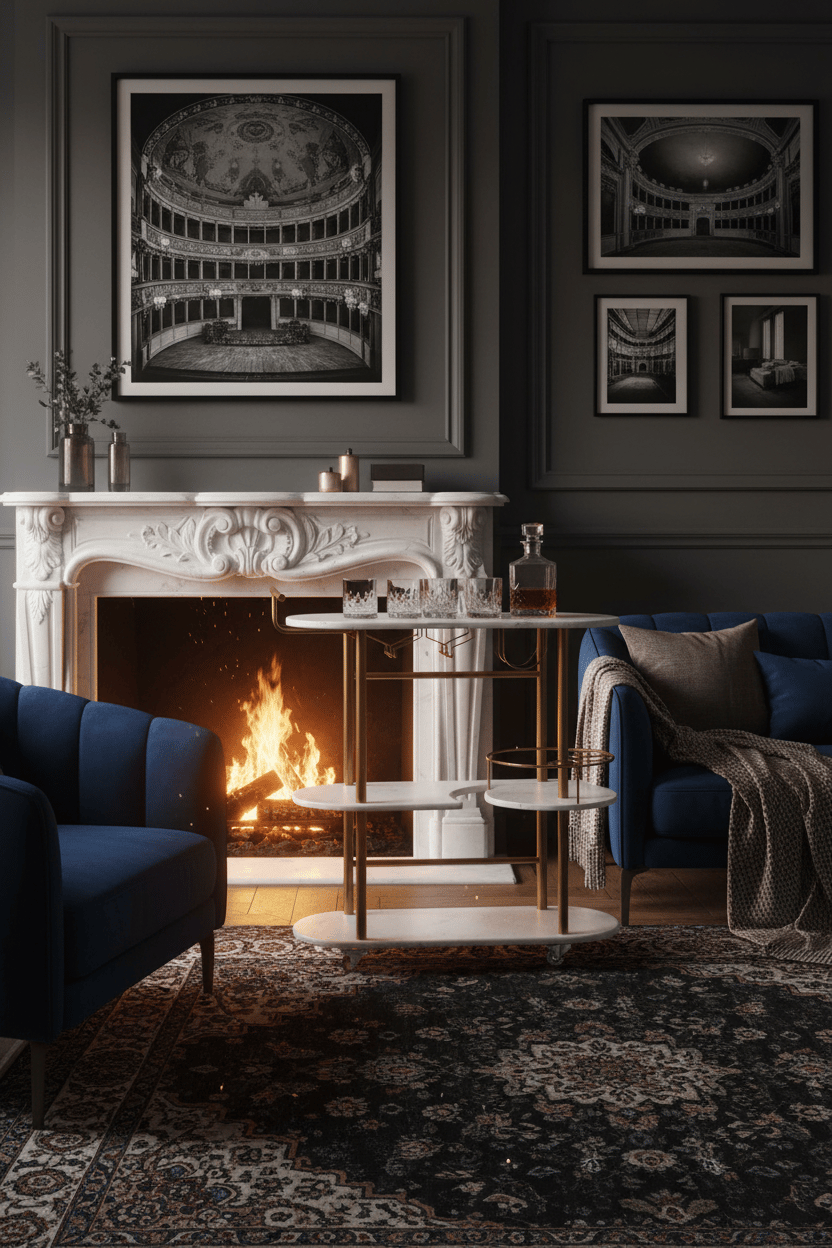
Opera's social tradition — the intermission gathering, the pre-performance drinks, the post-show supper — makes a styled bar cart not just appropriate but essential to the aesthetic. A brass or dark metal bar cart stocked with beautiful glassware, decanters, and select bottles becomes a functional piece of art that serves both everyday use and the aesthetic's theatrical sensibility.
How to style it: Use the bar cart's two tiers deliberately. Upper tier: your finest glassware (crystal highballs, wine glasses, or coupes), a beautiful decanter, and one statement bottle. Lower tier: practical items (wine opener, bar tools, backup glasses). Don't overcrowd — negative space on the cart makes the beautiful objects more visible.
Placement: The bar cart works best in a corner of your living room or against a wall where it won't obstruct traffic flow but can be appreciated as a destination. Position it near your most used seating, making drinks accessible from the velvet armchair or sofa without requiring guests to leave the conversational space.
Putting It All Together: Opera Aesthetic Living Room Layout
The Seating Area (Foundation):
Position your velvet armchair angled toward the sofa at 30-45 degrees, not parallel
Place the area rug so front legs of all seating pieces rest on it — this unifies the zone
Center the coffee table between sofa and armchair, styled with a tray vignette
Drape the luxe throw casually over the sofa arm or armchair
Windows and Walls:
Mount curtain rod as close to ceiling as possible — not at window frame height
Allow silk drapes to pool 1-3 inches on the floor
Position baroque mirror above main sofa or fireplace as the primary focal point
Hang wall art and sconces to create a composed wall rather than random placement
Lighting (Crucial):
Install dimmer switch for the chandelier — it transforms the room's atmosphere
Use sconces at mid-height to create layered warm light
Place candelabra on coffee table or console for low candlelight level
Never use overhead lighting at full brightness in the evening
Decorative Vignettes:
Console table: baroque mirror above, sconces flanking, vintage vase and candelabra below
Coffee table: decorative tray with book box, candle holders, small sculptural object
Shelving: veiled maiden sculpture at eye level, vintage books, gilded frames
Bar cart: styled as described — glassware up, tools below, beautiful decanter as centerpiece
The Budget Breakdown: Opera Aesthetic Living Room
Here's an approximate guide to building the complete opera aesthetic living room with these 15 pieces:
Velvet armchairs: ~$150–$300 (varies by size and material quality)
Brass chandelier: ~$80–$200 (depends on size and crystal detail)
Silk drapes (2 panels): ~$40–$90
Baroque mirror: ~$60–$130
Gilded picture frame: ~$20–$45
Veiled maiden sculpture: ~$35–$65
Luxe throw blanket: ~$25–$45
Statement coffee table: ~$100–$220
Wall sconces (pair): ~$30–$70
Embroidered cushions (set of 2): ~$25–$40
Vintage book box: ~$15–$30
Elegant area rug (5x8): ~$60–$130
Vintage vase: ~$25–$50
Wall art (framed): ~$30–$60
Bar cart: ~$60–$130
Complete Opera Aesthetic Living Room: approximately $755–$1,205
Start with the chandelier, velvet armchair, and silk drapes — those three pieces establish the opera aesthetic immediately. Layer in the remaining pieces as your budget allows. Every item on this list works independently while contributing to the whole.
The Opera Aesthetic: A Living Room That Performs
The opera aesthetic living room isn't for everyone — and that's precisely its power. In a design landscape of beige walls and minimal furniture, a room built around burgundy velvet, brass candlelight, ornate mirrors, and dramatic drapes makes an unambiguous statement: the person who lives here has considered tastes, values atmosphere, and isn't afraid of beauty.
What opera houses understood centuries ago is what great interior design has always known: spaces shape how we feel in them. A dimly lit room with velvet seating and warm brass light doesn't just look beautiful — it changes how you inhabit your evenings. It makes conversation more intimate, reading more pleasurable, and ordinary moments feel like occasions.
These 15 pieces won't transform your living room overnight. But each one moves you closer to a space that feels genuinely, dramatically yours — a room that performs every evening, the way the best opera performances do, by creating an atmosphere so complete that you forget, for a while, that any other world exists.
If you love the deep jewel tones of the opera aesthetic but want to explore coordinating bedroom styles, our Gothic Bedroom Guide and Plum Noir Living Room collection cover the same dramatic palette in complementary spaces.
You Might Also Love
If you love dramatic dark interiors in the bedroom as much as the living room, our Gothic Bedroom Decor guide covers 15 Amazon pieces that bring the same dark-romantic atmosphere to your sleeping space.
For an even deeper jewel-tone palette in your living room, explore our Plum Noir Living Room collection — deep plum walls, crushed velvet, and antique brass create the ultimate in moody maximalism.
Love this aesthetic but want to see it in a kitchen? Our Moody Kitchen Ideas guide brings dark drama to the most functional room in your home.
Every week I share new aesthetic guides, the best finds before they sell out, and room breakdowns you won't see anywhere else.
Join the list and I'll send you our full Neo Deco Brass guide the moment it drops.
Stay
Follow @moodyhomeco on Pinterest for daily moody home inspiration →
[Pinterest icon linked to your profile]
Contact
Subscribe
© 2025. All rights reserved.